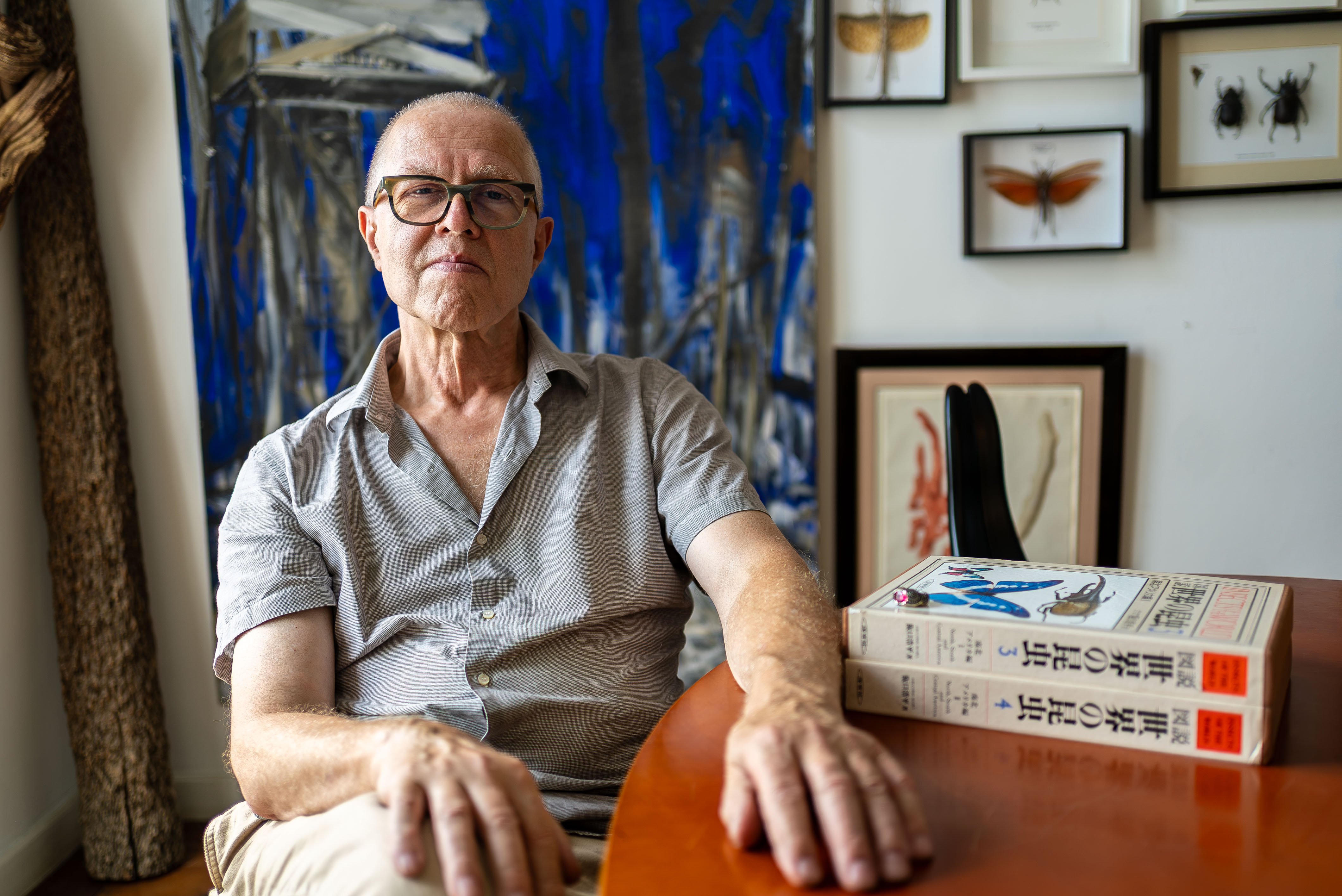
Otto Jakob (*1951, Bad Säckingen, Germany) is a self-taught artist-goldsmith.
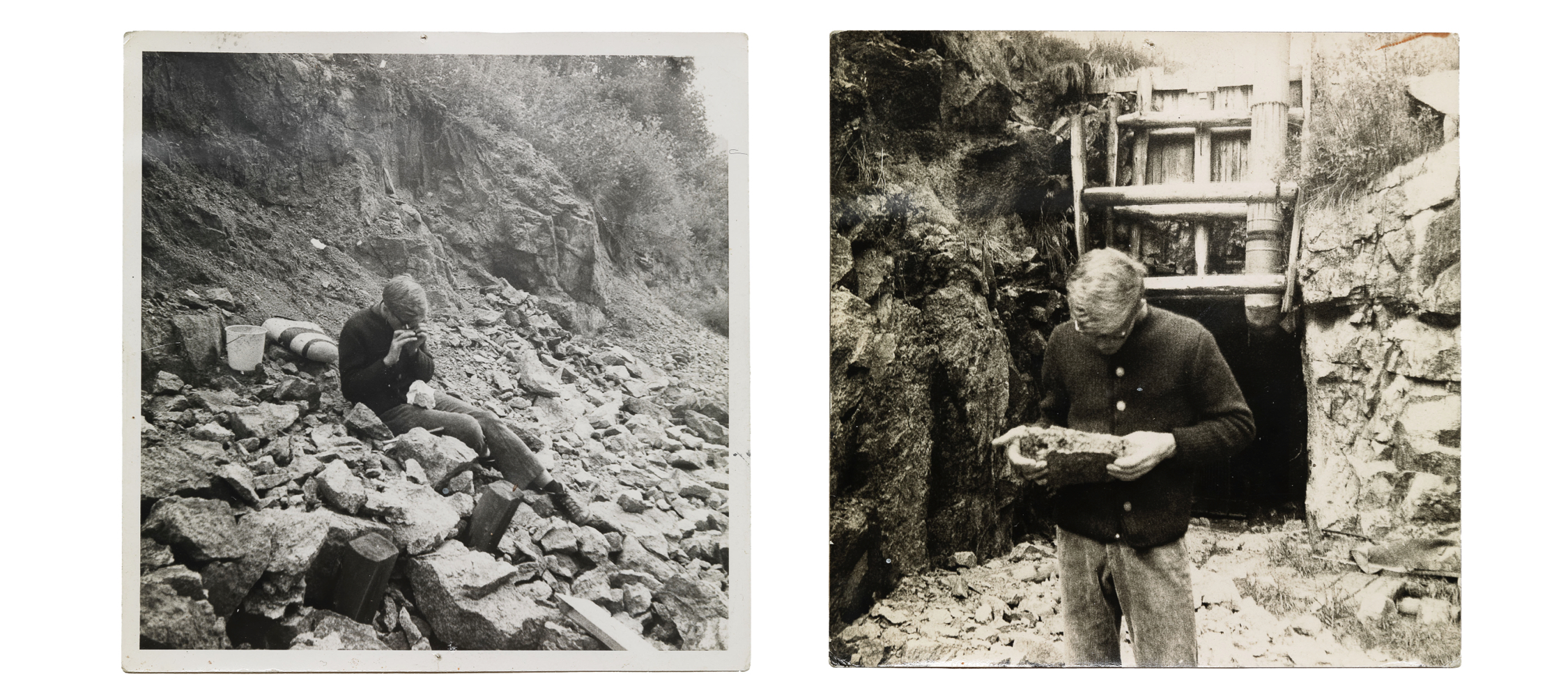
From boyhood, he developed an enduring interest in mineralogy and crystallography, forming a mineral collection that he maintains to this day.
During a visit to San Francisco in the late 1960s, Jakob, then still a teenager, came into direct contact with the counterculture — with its values, its aesthetic language, and its marked distance from the conservative tastes of a small town in the Black Forest. He was particularly struck by the informal, talismanic jewelry worn by the hippies: visibly handmade, materially direct, and deliberately remote from conventional ideas of preciousness. Inspired by these pieces, he began to teach himself jewelry-making, incorporating specimens from his mineral collection into works he made for friends.
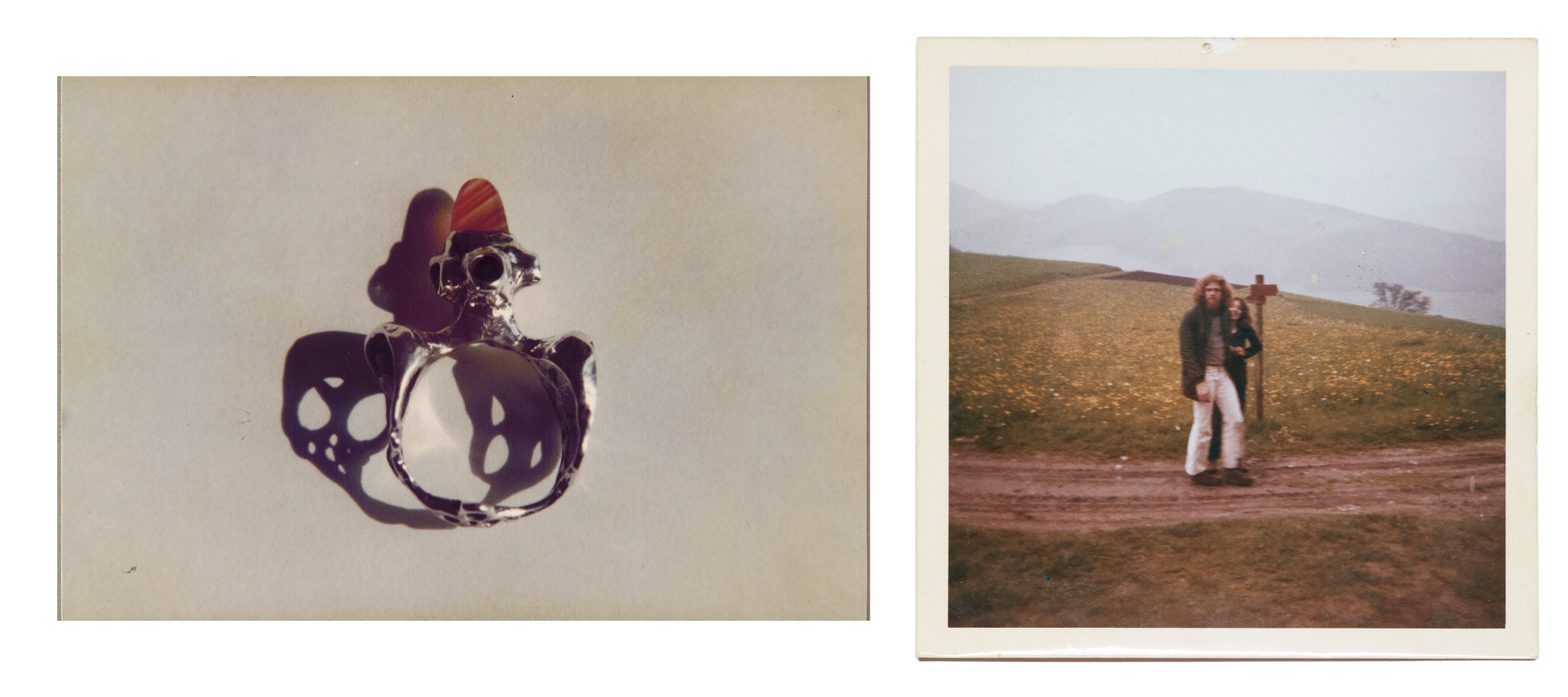
This first, largely intuitive engagement with jewelry led Jakob to investigate the older sources behind such eclectic forms. He came to admire the artistic force of Etruscan, Celtic, and Hellenic goldsmiths’ work, and began studying their complex techniques through historical texts, including those of Pliny and Cellini. His application, prepared in this spirit, was firmly rejected by a goldsmithing school, with the recommendation that he apply instead to an art academy.
After beginning his studies at the Academy of Fine Arts in Munich, Jakob transferred to the Academy of Fine Arts in Karlsruhe to join the class of the newly appointed professor Georg Baselitz. Between 1977 and 1980, he studied painting under Baselitz. Towards the end of his studies, Jakob entered a profound artistic crisis and destroyed almost all of his paintings, doubting not his technical ability, but the originality of the ideas behind the work.
Out of this crisis came a decisive turning point. Jakob experienced an intense nocturnal vision of strange and marvellous jewels, too rapid and abundant to be drawn. Instead, he recorded them in writing, as a list. This vision marked the beginning of his complete dedication to jewelry. From that point onward, he set out to acquire, independently, the technical means required to realise the works he had imagined.
Georg Baselitz became Jakob’s first collector. Through him, the art dealer Hans Neuendorf encountered the work and acquired a substantial group of early pieces. Among Jakob’s earliest collectors were leading figures of post-war German art, including Jörg Immendorff, Markus Lüpertz, Günther Förg, and Sigmar Polke.
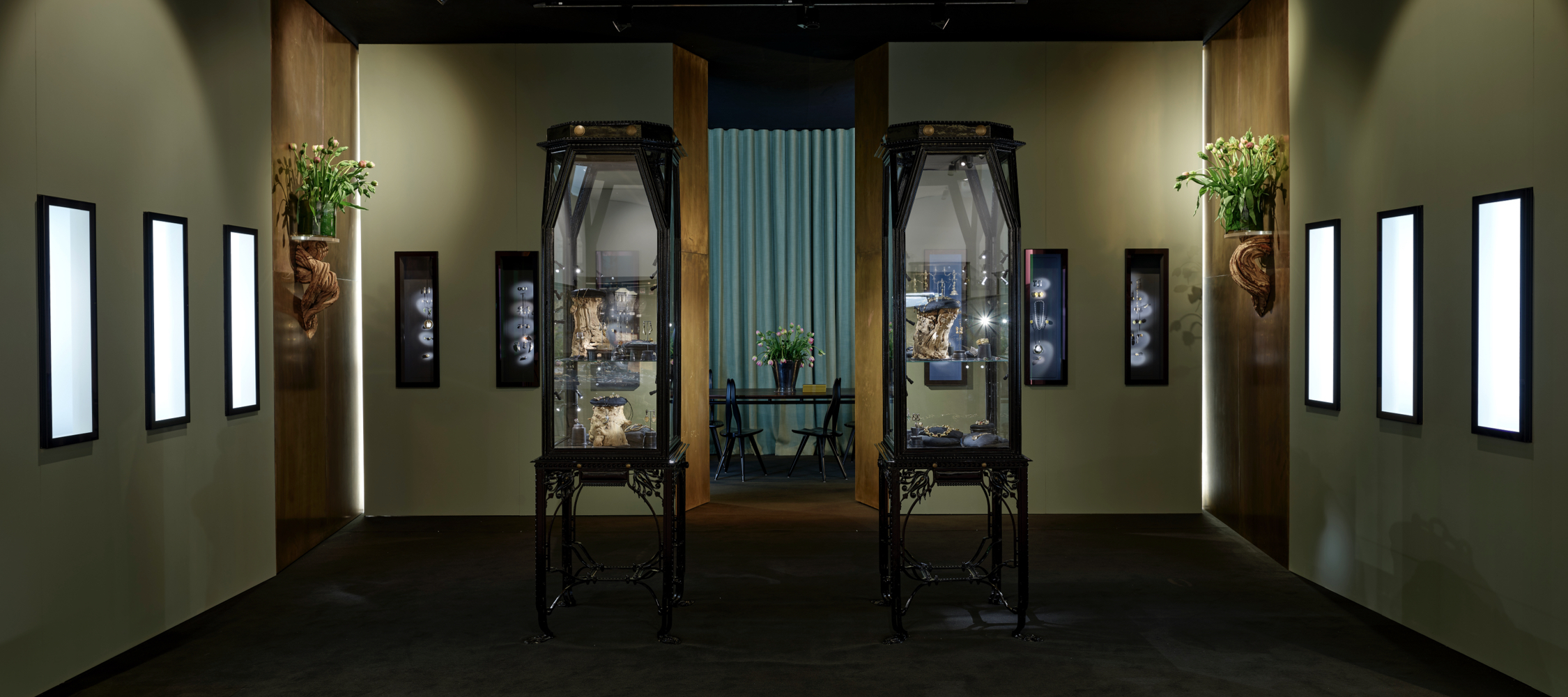
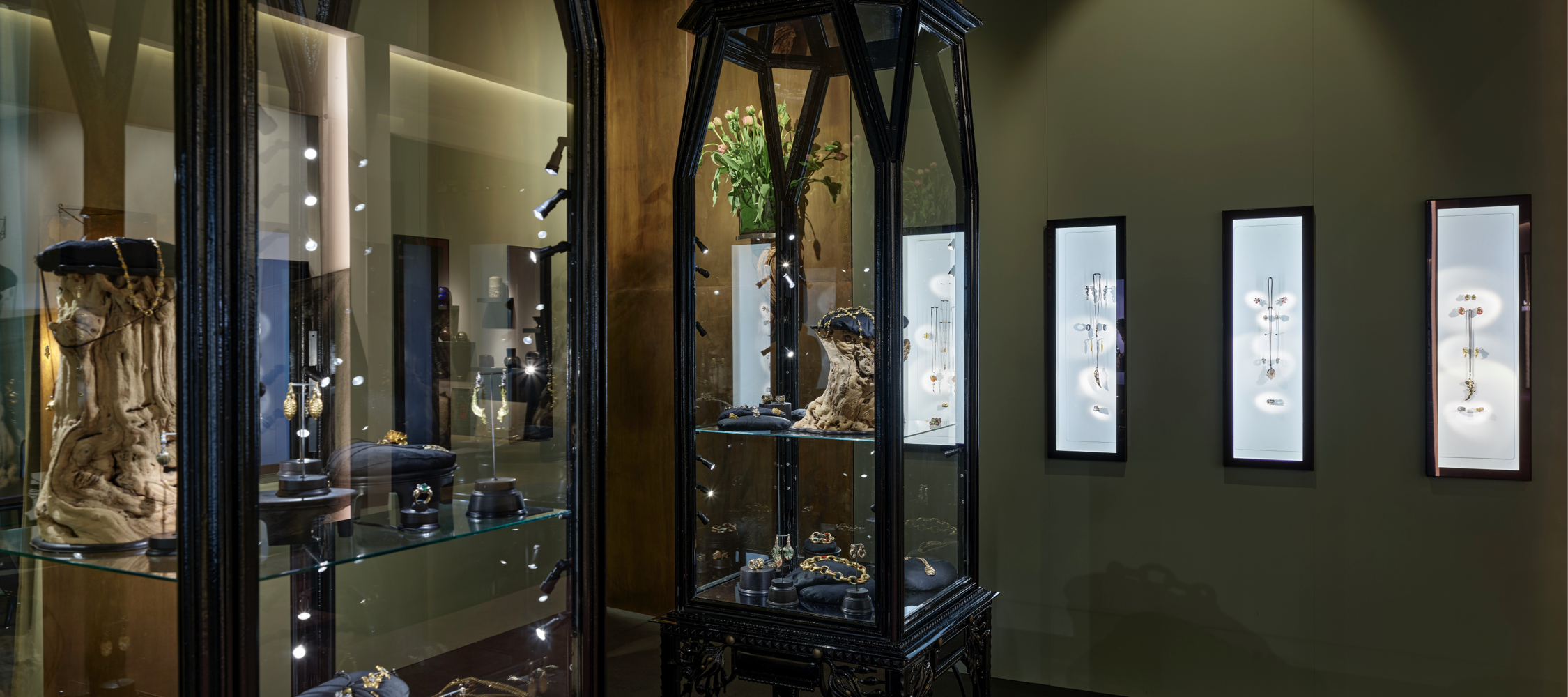
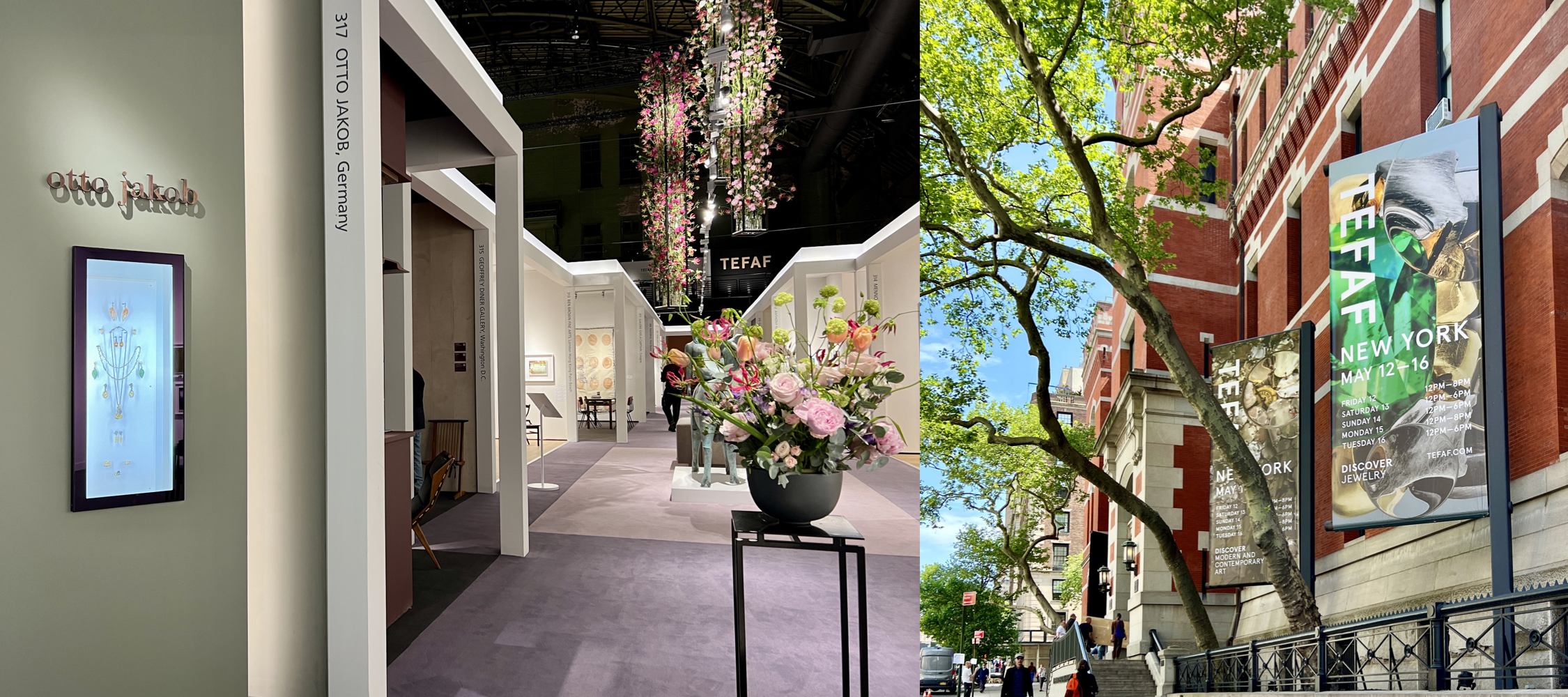
Jakob’s work has been shown by Galerie Schmela in Düsseldorf, Galerie Daniel Blau in Munich, and Colnaghi in London. In the United States, his jewelry was represented in the 1990s and early 2000s by Janet Mavec at Mavec & Co. on Madison Avenue, New York. From 2016 to 2022, his works were also presented at TEFAF New York.
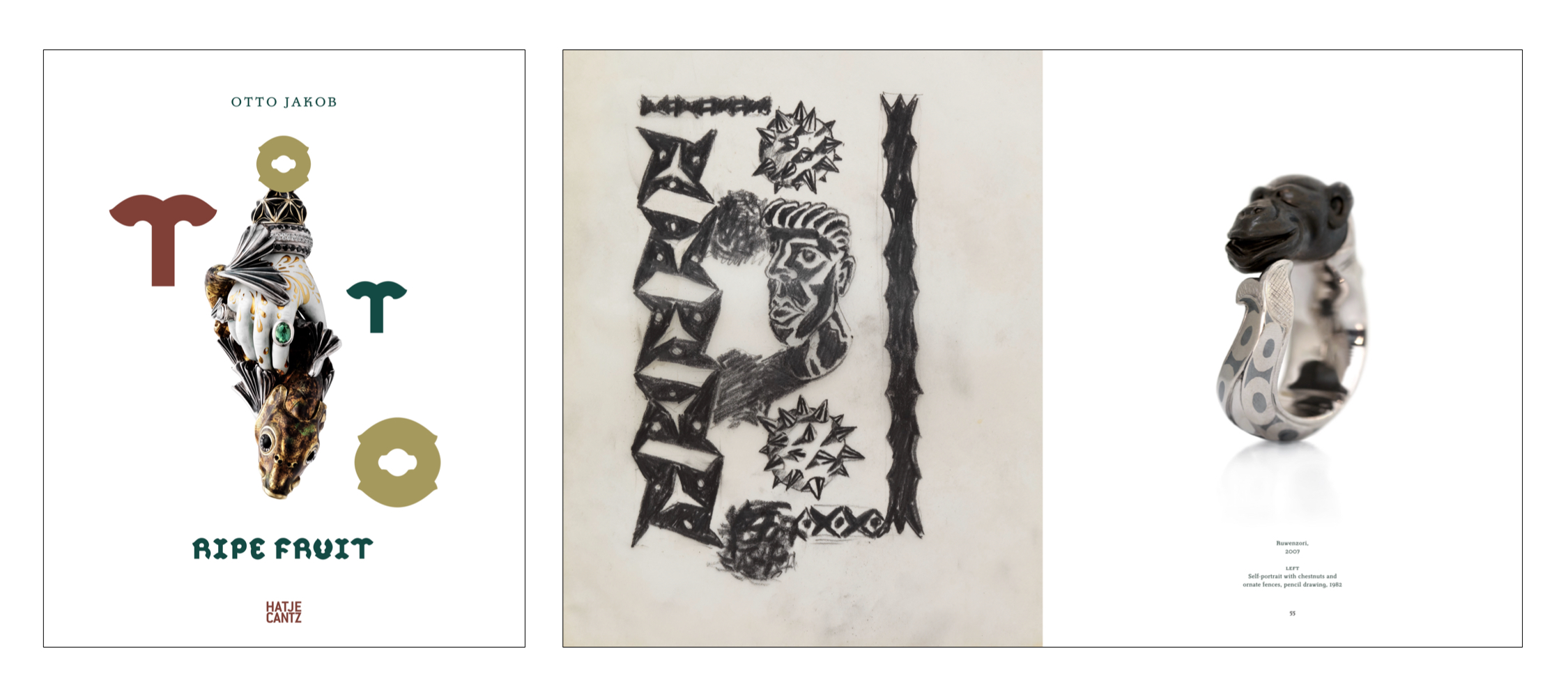
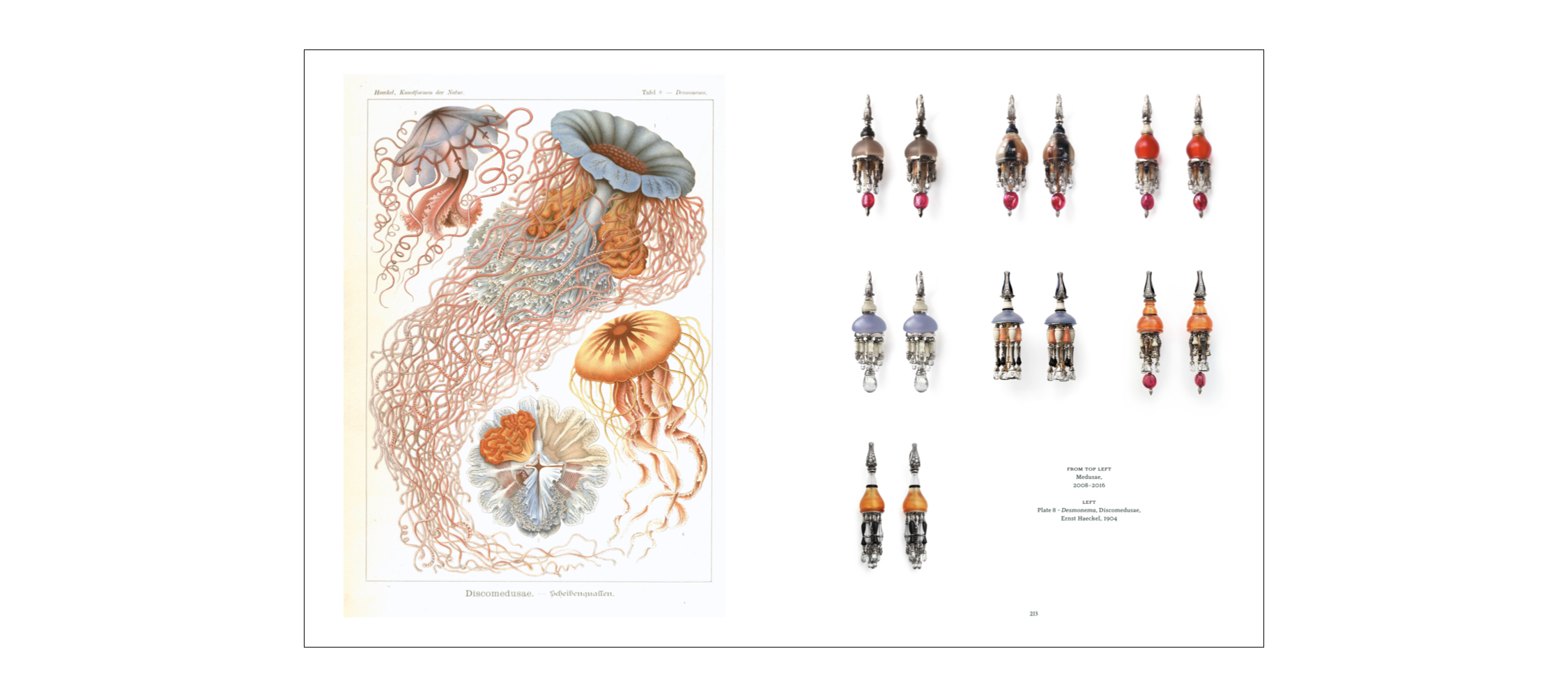
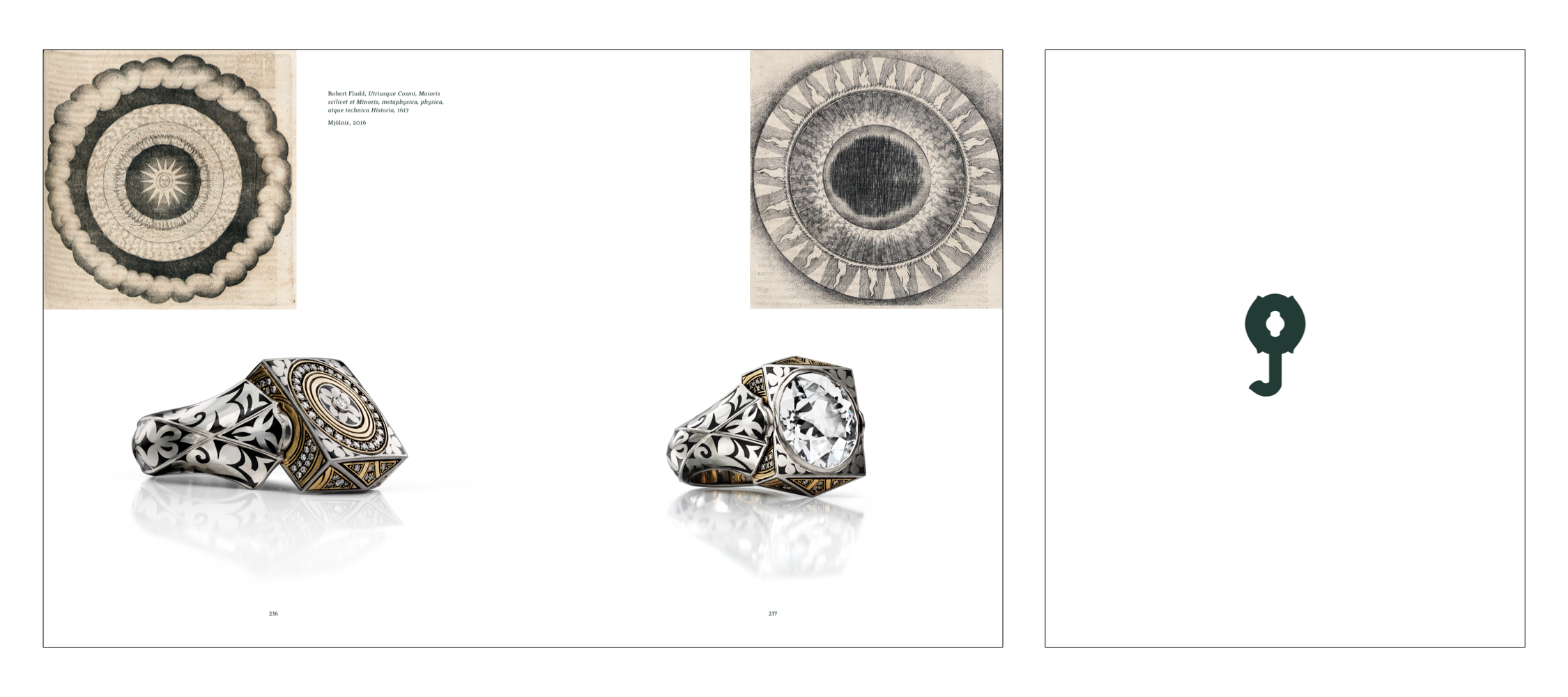
A comprehensive overview of Jakob’s work, Ripe Fruit, was published in 2018. During the research for the book, the original list written after the nocturnal vision resurfaced among decades of drawings, notes, and sketches. In the early years of his work, Jakob had consciously followed this private manifesto; later, it receded from view and lay forgotten. When it was rediscovered, it became apparent that many works from the intervening decades still corresponded closely to its ideas, often without deliberate reference. The list was incorporated into Ripe Fruit and is now also available on this website under “Manifesto 1980”.
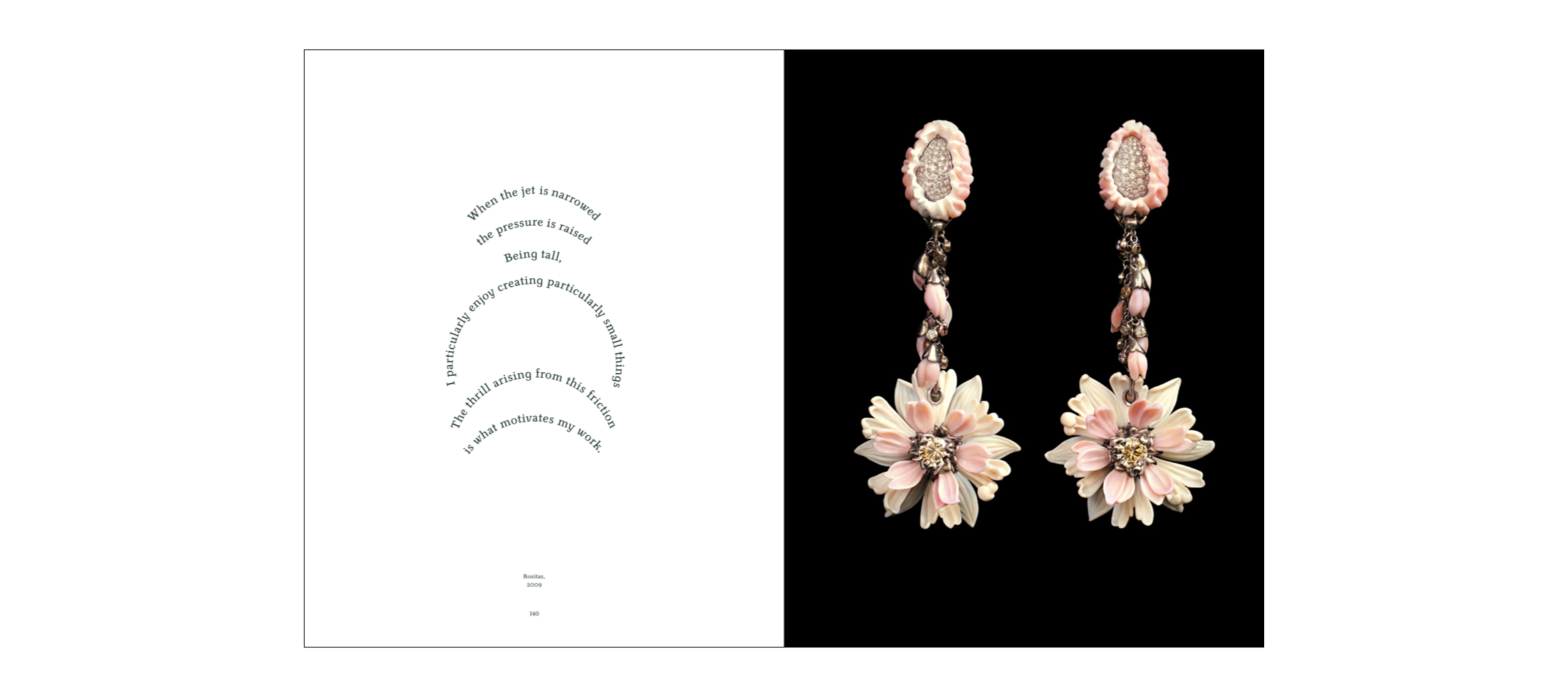
Otto Jakob lives and works in Karlsruhe, Germany. His works are available exclusively through his atelier and, since 2008, at TEFAF Maastricht.